
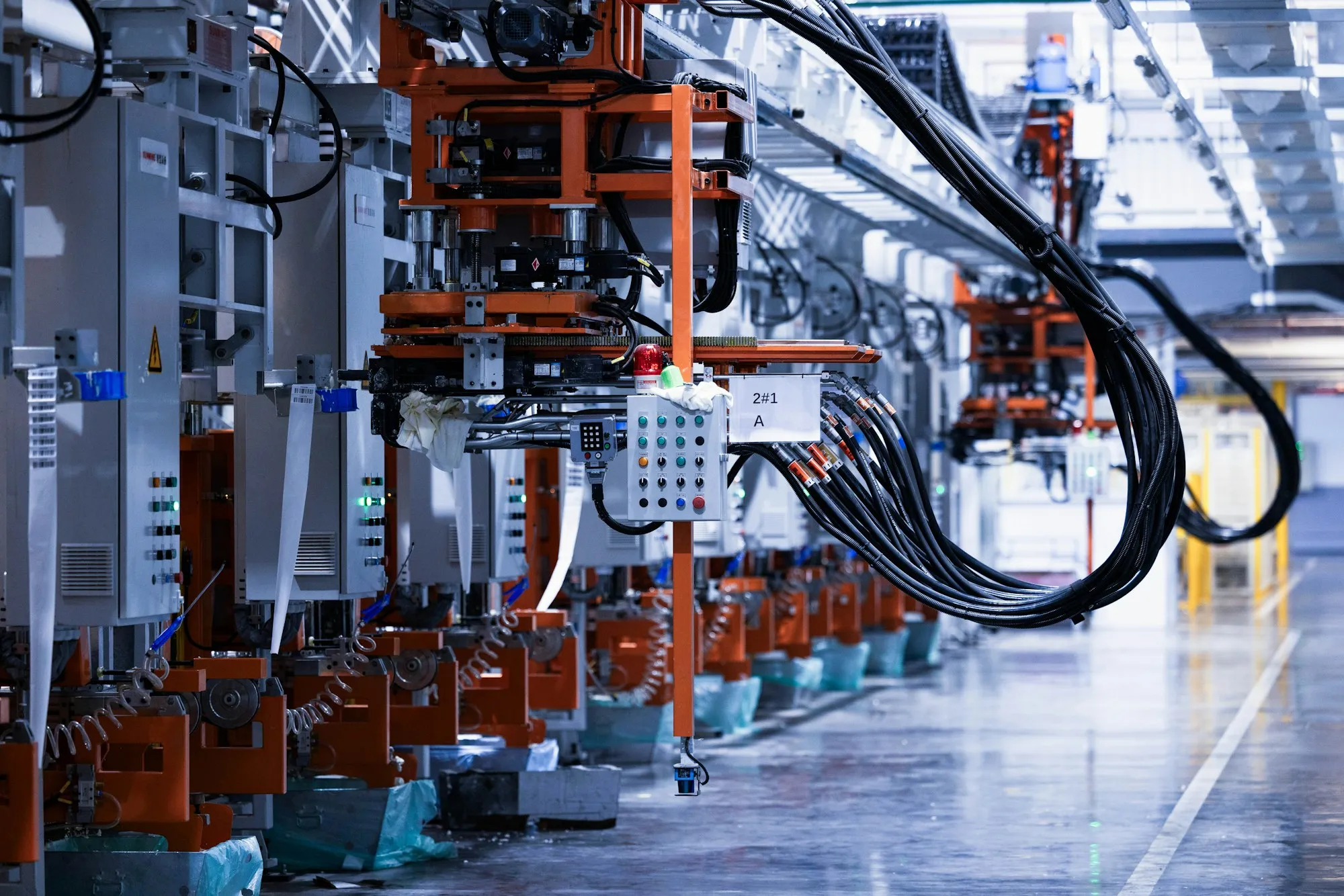
Plant-Side Technical Leader
Independent automation and modernization consulting for manufacturers
Manufacturers bring us in when the project cannot afford to go wrong. Joltek is an independent, vendor-neutral consultancy based near Montréal that acts as the manufacturer's technical lead and owner's engineer on PLC migrations, SCADA, MES and OT network projects across Canada and the United States, with a focus on food, beverage and CPG plants. Paid by the plant, not the vendor.
- Ex-P&G
- Kraft Heinz
- Post Holdings
- Food, beverage & CPG
- Montréal · Canada & US
Years across plant floor operations, capital delivery and modernization
Site deployments delivered across North America
Disciplines held by one owner: controls, SCADA, MES and OT networks
Manufacturing leaders interviewed on the Manufacturing Hub podcast
Joltek is led by Vladimir Romanov, an electrical engineer with an MBA from McGill University, who delivered capital projects at Procter & Gamble, led maintenance and operations at Kraft Heinz, and ran a greenfield expansion at Post Holdings before founding the firm. He has delivered the projects and then inherited them, which is why the argument on this page is about supportability rather than technology.
Before founding Joltek, his work included production line optimization and three new lines integrated at a Procter & Gamble site, and a 120+ axis motion platform migration in a regulated plant. At Joltek, it includes stabilizing an OEM-built converting line running mixed Omron and Rockwell controls. They are written up as case studies. Clients are named only with permission, so the outcome is published and the logo is not.
Who brings us in
Four job titles, and what each one is actually worried about
The person who calls is usually not the person who signs, and neither of them is the person who will support the system at two in the morning. The work has to hold up for all three.
Directors of Engineering, Automation, Technical Services and Capital Engineering authorize the project and carry the delivery risk. They bring us in when a modernization, a controls migration or a plant data initiative cannot be allowed to go wrong, and they want technical ownership on the manufacturer’s side before the scope is committed.
Engineering Managers and Automation Managers run the overloaded team. They call when the scope is unclear, the integrator is not delivering, commissioning is under pressure, or the documentation left behind cannot support the system.
Plant Managers, Directors and VPs of Operations sign. What they need to know is that production risk is understood, the schedule is defensible, and the plant will be able to run the result after handoff.
Operating partners at private equity firms need an independent technical read on a plant, before an acquisition or during a hold, from someone who has run capital projects and operations rather than audited them.
Most of the work is in food, beverage and consumer packaged goods plants, along with general discrete and process manufacturing, across Canada and the United States.
Why this exists
Most failed modernization projects were not technical failures.
They were ownership failures. The scope was written by the party being paid to deliver it. The architecture suited the vendor's catalogue rather than the plant. Nobody asked whether maintenance could support it at two in the morning.
We sit on the manufacturer's side of that table. Not to replace the integrator, and not to second-guess the vendor, but to make sure the plant gets the outcome it is paying for and can still run it after everyone has gone home.
How we work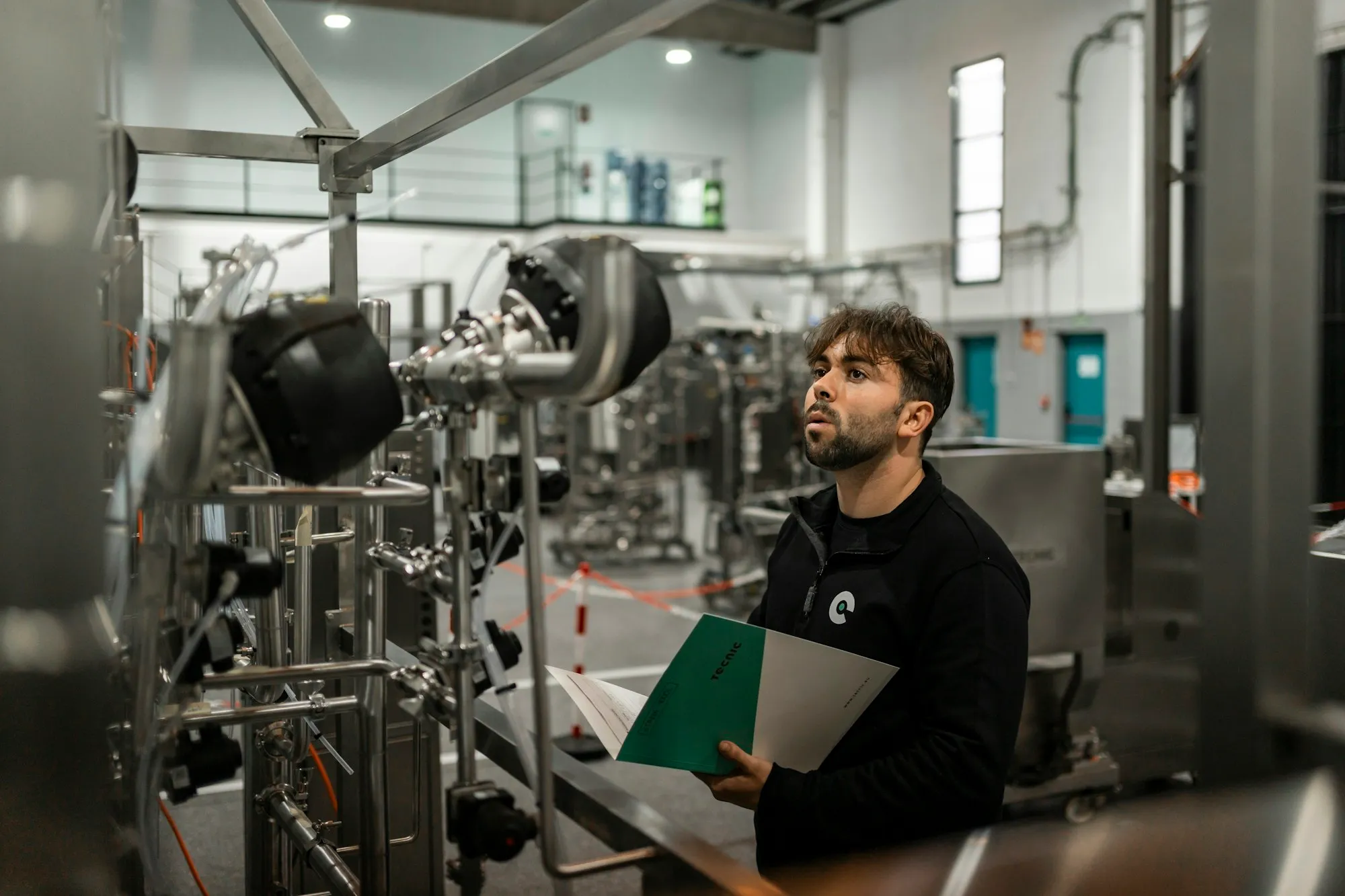
When manufacturers call
Three situations, and the first is the most valuable
The most useful moment to be involved is before anything has gone wrong, while the scope is still being written and the money has not yet been committed.
A project is being scoped
A significant automation or modernization initiative is being planned, and the technical ownership needs to be right from the start rather than after something goes wrong.
The team is overloaded
Internal engineering is stretched and needs senior technical ownership, not more hands.
Something is stuck
Recurring controls, networking, data or downtime problems that nobody has resolved permanently.
Services
From PLC migration to technical due diligence
13 services, from a plant systems assessment and a modernization roadmap through owner's engineer oversight, OT network and MES work, to delivering and commissioning the controls ourselves. Most engagements draw on more than one, because plant problems rarely respect the boundary between them. See how the services fit together.
Modernization Strategy
Manufacturing Modernization Roadmap
Define what to modernize, in what order, and who owns it.
Modernization Strategy
Plant Systems Assessment and Obsolescence Risk Baseline
Know what is installed, what is at risk and what to fix first, before the next failure decides for you.
Delivery Governance
Owner's Engineer for Automation Projects
Independent technical oversight of your integrator, from scope of work to handover.
Engineering and Integration
Systems Integration
Controls delivered and commissioned, with code the plant can still support.
Engineering and Integration
Commissioning Support for Automated Lines
Bring new equipment into the plant and up to rate, with a handover your team can run.
Delivery Governance
Downtime and OEE Improvement
Find the losses, fix the ones that pay, and make the gain stick.
Delivery Governance
IT/OT Integration
Plant data that operations will actually trust and use.
Modernization Strategy
Control System Modernization
Migrate off obsolete platforms without inheriting a fragile system.
Delivery Governance
OT Network Assessment for Manufacturing Plants
Find out what is actually on your plant network, what is putting uptime at risk, and what to fix first.
Modernization Strategy
PLC Migration Consulting
Move off SLC 500, PLC-5 or S7-300 with a planned cutover, not an emergency.
Workforce Development
Automation Training for Plant Teams
Build internal capability so performance does not depend on heroics.
Modernization Strategy
MES Selection and Implementation Oversight
Choose an MES on your requirements and your data, then make sure it gets delivered that way.
Modernization Strategy
Technical Due Diligence for Manufacturing Acquisitions
Technical due diligence and post-close operational assessment.
The approach
Four steps, and we stay for all of them
The failure mode in this industry is advice that arrives as a document and leaves before implementation. We do not work that way.
Understand the situation
Before recommending anything, we establish what is actually happening: the constraints, the history, and what the plant needs to be true at the end.
Define what good looks like
A scope the plant can hold a vendor to, an architecture that suits the environment, and a definition of done that survives handoff.
Own it through execution
We stay through delivery, commissioning and handoff. The integrator supplies the hands. We protect the outcome.
Leave it supportable
Documentation, standards and the internal capability to run it. Running is not the same as supportable.
Independence
We are paid for the advice. Nothing we recommend pays us a second time.
The integrator sells the implementation. The vendor sells the licence. The distributor sells the hardware. Our fee is the same whether the answer is a new platform, keeping what you have, or doing nothing this year.
Vendor-independent, but not opinion-neutral. When one platform is genuinely better for your situation, we will say which and why.
Partners and disclosuresTechnologies
Across the stack, not just one layer of it
Organised by ISA-95, because that is the vocabulary the work uses. The most expensive mistakes come from solving a problem at the wrong level of the stack.
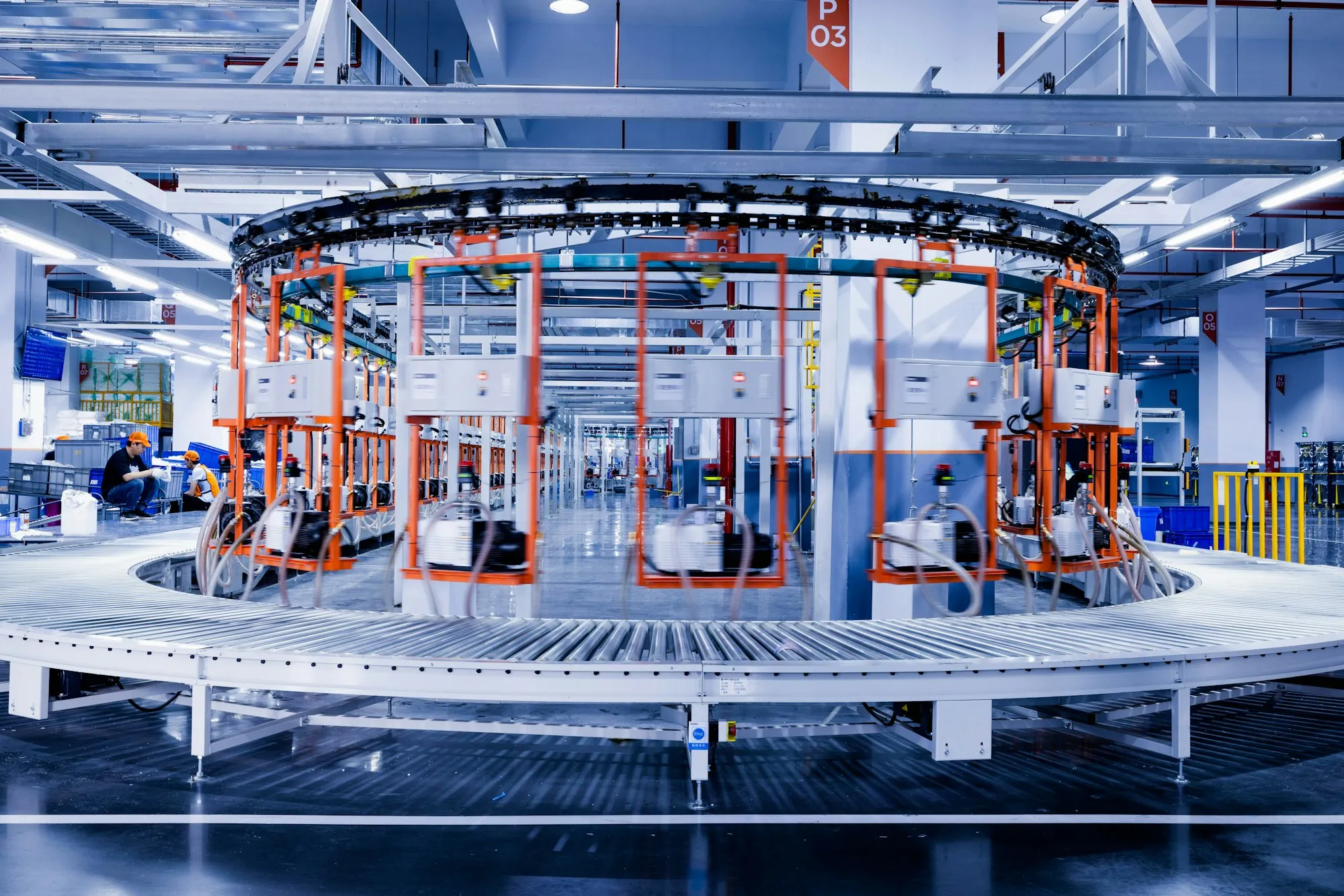
Level 1 to 2
Controls and machine systems
PLC, HMI, drives, safety and the standards that keep a fleet of machines maintainable.

The layer under everything
OT networks
Segmentation, addressing and the architecture decisions that quietly decide uptime.
Level 2 to 3
Plant data and MES
Getting trustworthy data off the floor, then making it mean something to operations.
Selected work
Anonymised, because the outcome matters more than the logo
Client names are withheld by default. What is published is the situation, the decision, and what changed.
Stabilizing an OEM-Built Converting Line on a Mixed Omron and Rockwell Control Architecture
A packaging manufacturer inherited three OEM spooling machines on Omron control, feeding a Rockwell cartoner, with no source projects and no direct network path between them. This is what it took to stabilize the line, what the site measured afterwards, and why a two-week engagement became three months.
Two Years Idle, Running in Two Days: Recovering the Tote Lanes of an Automated Warehouse
Several tote storage lanes in an automated warehouse had been down for two years and were holding back production. One week on site: the lanes running again within two days, a gateway failure handled mid-week, outages traced across every network layer, and a risk register the site can act on.
Driving Efficiency with Technical Upgrades and Smart Investment
A high-volume line running below its design rate. Finding where the automation and the process were actually losing time, and buying back throughput without touching product quality.
Securing Reliability and Compliance: Motion Platform Modernization in a Regulated Manufacturing Environment
Over 120 servo axes on a discontinued motion platform, in an FDA-regulated plant where an emergency replacement would have triggered a full revalidation. Migrated inside a planned two-week shutdown.
Engineering Discipline Meets Operational Excellence: Expanding Capacity at P&G Auburn
Three production lines built across four countries, each a capital investment of more than twenty million dollars, integrated into one site. The fastest line turnaround in that plant’s history.
Answered before you ask
The four questions that come up in every first call
Asked honestly, so answered honestly.
“You are a small firm.”
We are not the labour, we are the ownership. The integrator supplies the hands. One senior owner across four disciplines replaces a coordination problem, not a headcount problem.
“Why not just use our integrator?”
Your integrator is good at what they are scoped to do. They are also the party defining the scope, grading their own work, and leaving after handoff. The question is who is protecting the plant’s definition of done.
“We already have a vendor.”
Keep them. The work is making sure their deliverable is the right one and that the plant can support it afterward.
“How is this different from a contractor?”
A contractor executes a scope you have already defined. We start one step earlier: working out whether the scope is right, then owning the outcome through execution and handoff.
Insights
Written for the engineering leader, not the search engine
Field notes on controls, networks, data and the reasons good projects fail.
PLC Platform Migration: A Plant Engineer's 2026 Guide
PLC platform migration for plant engineers: obsolescence signals, like-for-like vs re-architecture, code conversion, downtime, cost and fleet sequencing.
Control System Modernization: Aligning Operations with Long-Term Strategy
Control system modernization without disrupting production: inventory the installed base, score risk, track OEM lifecycle and phase upgrades into windows.
SLC 500 Migration to CompactLogix: Paths, Scope, Cost and Timeline
SLC 500 migration to CompactLogix: the three paths, the four scoping questions, what the converter does, shutdown planning and real cost ranges.
Have a project that needs technical ownership?
Send us the situation. If it is not something we should take on, we will say so.