
HiveMQ Community Edition and HiveMQ's Open-Source Footprint
HiveMQ vs Mosquitto: Two MQTT Brokers on the Same Dimensions
HiveMQ vs Mosquitto compared on the same dimensions: Java against C, single node against cluster, MQTT 5, Sparkplug listing, licences and plant fit.
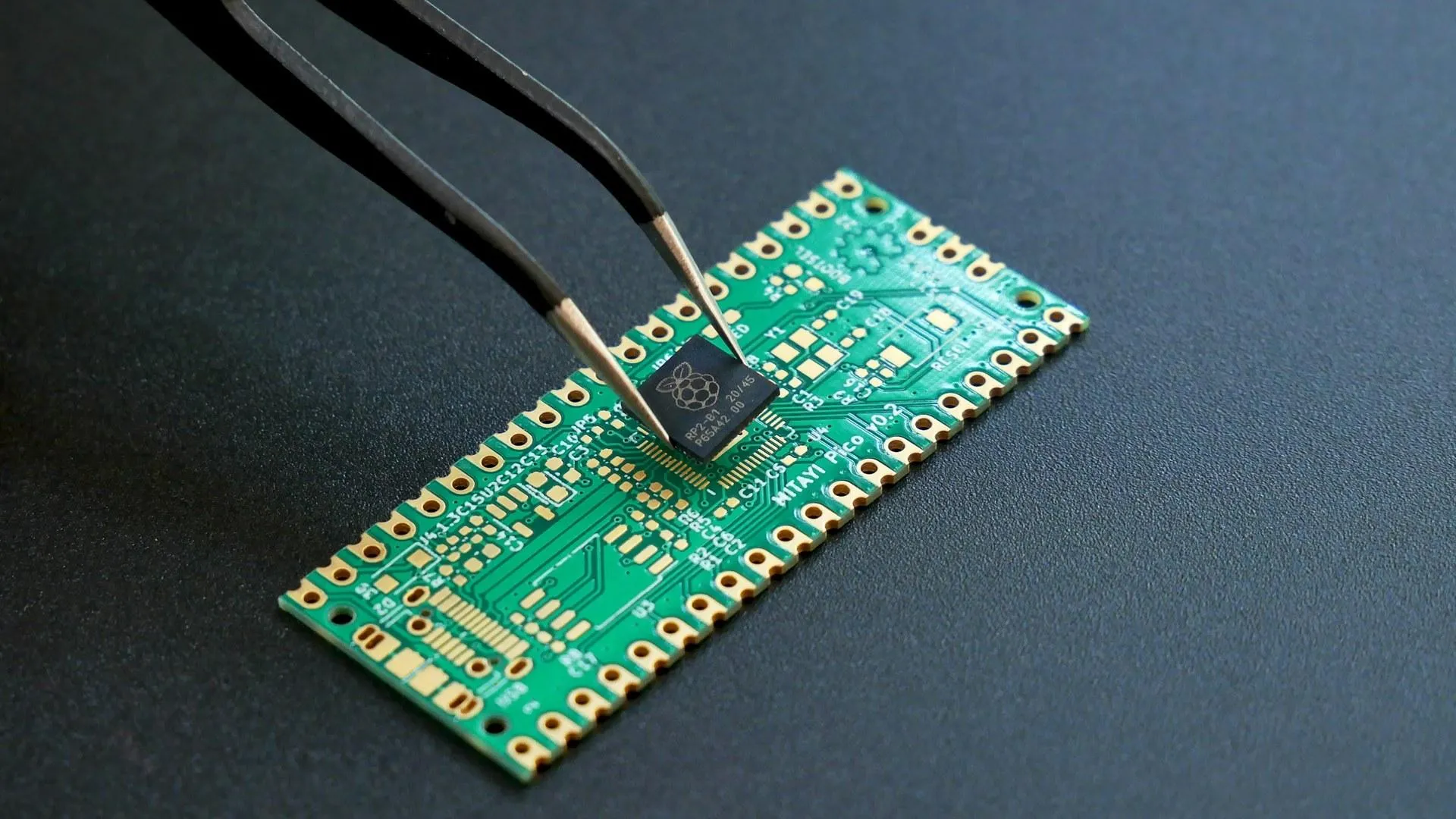
HiveMQ and Mosquitto are both MQTT 5 brokers, and the choice between them is mostly about scale, failure domain and support, not about the protocol. Eclipse Mosquitto is a small open-source broker, written in C (its 2.1.0 release notes set C99 as the build standard) and run as a single process. HiveMQ is a Java broker, with an Apache 2.0 Community Edition and a commercial platform that adds clustering. This page compares them on the same dimensions and says where each fits, without declaring a winner where the answer depends. It sits under HiveMQ Community Edition and the open-source footprint, and the product line is mapped on the HiveMQ hub.
HiveMQ vs Mosquitto at a glance
“HiveMQ” here means two things, and the comparison only makes sense if they are kept apart: Community Edition (CE), which is open source, and the Enterprise broker of the HiveMQ Platform, which is licensed. Mosquitto likewise has the open-source broker and, from Cedalo, a commercial Pro Mosquitto. Facts below come from Eclipse and HiveMQ pages and from Cedalo’s own statements, as of 20 November 2026.
| Dimension | Mosquitto (open source) | HiveMQ Community Edition | HiveMQ Platform (Enterprise broker) |
|---|---|---|---|
| Written in | C, per the Mosquitto 2.1.0 release notes (C99 build standard) | Java | Java, Java 21 minimum from 4.55 |
| MQTT versions | 3.1, 3.1.1, 5.0 | 3.1, 3.1.1, 5.0 | 3.1, 3.1.1, 5.0 |
| Clustering | Not in the open-source broker | Not supported, per HiveMQ staff in 2021 | Masterless cluster, default replica count 2 |
| Footprint | Described by the project as lightweight, from single board computers to full servers. No figures published | Needs a Java runtime. No figures published | Needs a Java runtime and sizing per node. Vendor claims of very large connection counts per node are HiveMQ’s, not ours |
| Licence | EPL and EDL, per the project | Apache 2.0 | Commercial, free Lab plan with 25 connections |
| Sparkplug, Eclipse list | Not listed | Listed | Professional Edition and Sparkplug Aware Extension listed |
| Extensions | Plugin interface, persistence plugins | Open extension SDK, community extensions | Community and Enterprise extension SDKs, Enterprise Extensions |
| Commercial support | Cedalo Pro Mosquitto adds high availability, a management center and support | Community | Silver to Platinum depending on plan |
| Latest version we found | 2.1.0 on 29 January 2026, 2.1.1 on 4 February, 2.1.2 on 9 February, and 2.1.3 and 2.1.4 on 17 November 2026, per the project changelog | 2026.5 on 27 May 2026, README names 2026.6 | 4.57 on 3 November 2026, 4.55 the long-term-support release |
Three notes. The Mosquitto licence line follows the project site; the project’s GitHub repository carries the epl-v20 and edl-v10 licence files, so read the licence file in the version you use. Cedalo states that Mosquitto 2.1 cuts idle CPU use by up to 100 times against earlier Mosquitto versions. That is a vendor claim about the open-source release, not about Pro Mosquitto and not a comparison with HiveMQ, and we have not tested it. And “not listed” on the Eclipse page means absent from the 20-product list we fetched, not “cannot carry Sparkplug”.
Architecture: single process or cluster
Mosquitto is one process. That is its strength on an edge box: little to install, little to configure, and behaviour that is easy to reason about. It is also its limit. If the process or the host stops, the broker is gone. Bridges can forward topics between Mosquitto brokers, but a bridge is not a cluster: it does not share sessions or retained state. High-availability clustering is a Pro Mosquitto feature, per Cedalo, which is a vendor statement. Version 2.1.0 added a SQLite persistence plugin and a function that lets plugins find a location for persistent data, which matters if you need state to survive a restart.
HiveMQ Community Edition is also one node. HiveMQ’s staff said in 2021 that CE does not support clustering. In architecture terms CE and open-source Mosquitto sit in the same place: a single failure domain, with the difference that CE is a Java application and so inherits the Java runtime’s memory and upgrade profile.
HiveMQ’s Enterprise broker is a cluster. Its documentation describes a distributed, masterless design that acts as one logical broker, with nodes added or removed at runtime and replicated persistent data. The price is operational: you run several nodes, understand replica counts, and plan restarts one node at a time. See clustering and high availability.
MQTT 5, footprint and Sparkplug
MQTT 5. Both projects state support for 3.1, 3.1.1 and 5.0. HiveMQ’s documentation lists QoS 0 to 2, retained messages, persistent sessions, last will, shared subscriptions and session and message expiry. The Mosquitto site lists the three protocol versions. Feature parity at the specification level is therefore likely, and a plant should still test the behaviours it relies on, such as shared subscription handling and session takeover, on the exact versions it will run.
Footprint. The Mosquitto site calls it lightweight and suitable from low-power single board computers to full servers, without figures. A Java broker needs a Java runtime, with Java 21 the minimum for the Enterprise broker from 4.55, so it is heavier at idle. In our view that matters on a small gateway and hardly at all on a site server. We did not find published memory or CPU comparisons from a neutral source, and we do not give any.

Sparkplug. The Eclipse compatible software page of 20 November 2026 lists HiveMQ MQTT Broker Community Edition, Professional Edition and the Sparkplug Aware Extension. Mosquitto is not listed. Sparkplug rides on standard MQTT, so Mosquitto can carry Sparkplug payloads, but the listing is the evidence you can show an auditor. The HiveMQ Sparkplug page covers birth and death handling.
Licences and support
Mosquitto is Eclipse licensed (EPL and EDL). Support is the community, or Cedalo’s Pro Mosquitto. Cedalo is based in Freiburg and describes itself on its about page as a sponsor of Eclipse Mosquitto.
HiveMQ Community Edition is Apache 2.0, with community support. The HiveMQ Platform is licensed in plans: on 20 November 2026 the pricing page listed Lab (free, 25 connections, community support), Launch ($299 per month, community support), Run ($499 per month, Silver support) and Enterprise (custom). Prices change, so check the live page; the editions and pricing page tracks them.
Both open-source brokers have security histories. Mosquitto’s advisories are on its security page, and HiveMQ publishes advisories in its knowledge base. In our view the count of advisories is not a quality ranking, and the useful test is how fast each vendor ships a fix.
When each fits in a plant
- Edge box, one line or one cell. Mosquitto fits where a small footprint and a simple install matter and clients can reconnect and republish. HiveMQ CE fits where the team already knows Java operations or wants a Sparkplug listing without paying yet.
- Central site broker. If an outage stops the whole site, use a clustered broker: HiveMQ Enterprise, Pro Mosquitto or another. Which one is a question of support, existing skills and price.
- Layered design. Mosquitto or an open gateway at the edge and a clustered broker at the site, joined by a bridge, is a common and sound shape. The edge-to-cloud bridging page covers it for HiveMQ.
Where it gets hard
- Comparing the wrong pair. Open-source Mosquitto against the Enterprise broker is not a like-for-like test. Compare open with open, or paid with paid.
- Bridge behaviour. Bridges do not make a cluster, and retained and persistent state need design on both sides.
- Untested vendor numbers. Capacity and idle-CPU figures on both vendors’ pages are claims. Test with your own traffic; see MQTT client and tools.
- Operational skills. A cluster adds split-brain and session takeover behaviour that a single node does not have. Budget the learning.
For the wider field including EMQX and others, see HiveMQ alternatives and our event broker comparison.
Frequently asked questions
What is the main difference between HiveMQ and Mosquitto?
Mosquitto is an Eclipse open-source broker with a small footprint that runs as a single process. HiveMQ is a Java broker offered as an open-source Community Edition and as a commercial platform with clustering. Both implement MQTT 3.1, 3.1.1 and 5.0. The difference is mostly scale, high availability and who supports it.
Does Mosquitto support clustering?
Not in the open-source broker. Cedalo, the company that sells Pro Mosquitto, states that high-availability clustering is a Pro feature, and bridges link brokers without making them one cluster. HiveMQ Community Edition has no clustering either, per HiveMQ staff in 2021. HiveMQ's Enterprise broker documents a masterless cluster.
Is Mosquitto Sparkplug compatible?
Mosquitto is not on the Eclipse Sparkplug compatible software list as fetched on 20 November 2026. That does not mean it cannot carry Sparkplug traffic, since Sparkplug is built on standard MQTT. It means there is no Eclipse listing for it. HiveMQ Community Edition and Professional Edition are listed.
Which is better for a plant, HiveMQ or Mosquitto?
It depends on the failure domain and the support you need. A single cell or edge box with clients that reconnect can run either one. A central site broker whose outage stops data flow for a whole site calls for clustering, which means HiveMQ Enterprise, Pro Mosquitto or another clustered broker.
Can HiveMQ and Mosquitto work together?
Yes. Both speak standard MQTT, so a Mosquitto broker on an edge box can bridge selected topics to a HiveMQ broker. The design work is in the bridge: which topics move, with which QoS, and how loops are prevented. Test the bridge behaviour on both versions you plan to run.
References and further reading
- Eclipse Mosquitto · Eclipse FoundationLicence, MQTT versions and the project's own description of its fit.
- Mosquitto 2.1.0 released · Eclipse Mosquitto29 January 2026 release: SQLite persistence plugin, C99 build standard.
- Eclipse Mosquitto security advisories · Eclipse Mosquitto
- Eclipse Sparkplug compatible software · Eclipse FoundationThe list used for the Sparkplug rows.
- HiveMQ Platform documentation: user guide · HiveMQMQTT features, clustering and Java requirements for the Enterprise broker.
- hivemq-community-edition on GitHub · HiveMQ
- Cedalo about · CedaloThe company behind Pro Mosquitto.