
Solace Cloud: Managed Event Brokers, Deployment Models and Who Runs What
Solace Mission Control: Cluster Manager, Mesh Manager and the Agent
Solace Mission Control explained: Cluster Manager, Mesh Manager and the Mission Control Agent, what they manage, and where self-managed brokers fit.
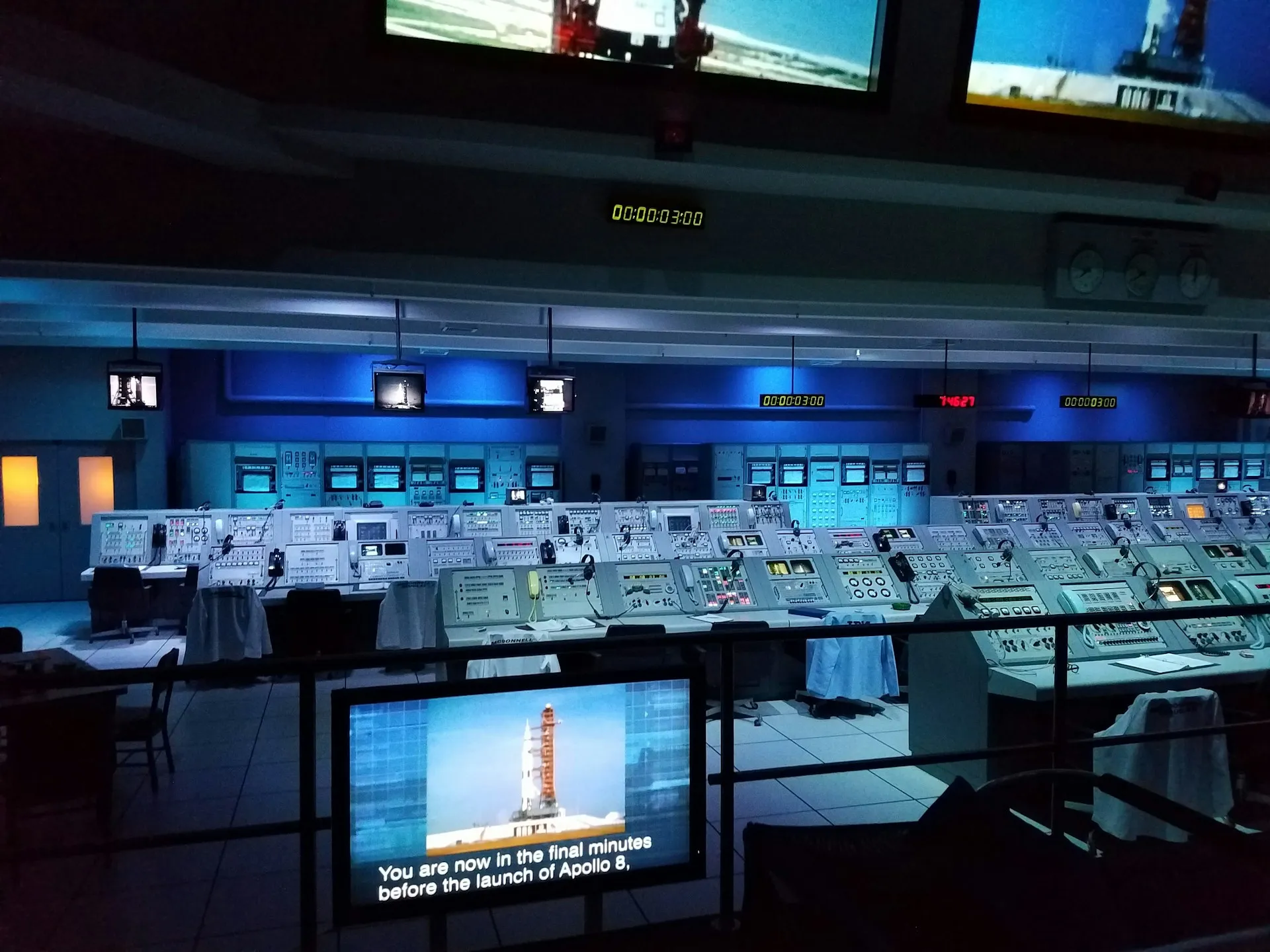
Solace Mission Control is the console inside Solace Cloud where you create event broker services, change their settings, upgrade and back them up, and link them into an event mesh. Called PubSub+ Mission Control until the May 2025 rename, it bundles two tools, Cluster Manager and Mesh Manager, and relies on a small piece of software, the Mission Control Agent, that runs next to the brokers in dedicated and customer-controlled deployments. Solace describes it as “a single pane of glass” for deploying and managing an event-driven system.
This page explains what each part does, how the agent connects your brokers to Solace’s control plane, and where Mission Control stops. It belongs to the Solace Cloud overview in the Solace cluster.
What Solace Mission Control includes
Solace’s Mission Control overview says it lets you “deploy event brokers, create event meshes, and optimize and monitor the health and performance of an event-driven system”, and to “upgrade, upscale, and back up event broker services”.
| Part | What it does | Where it runs |
|---|---|---|
| Cluster Manager | Create broker services, clone them to other regions, configure names, connections, log forwarding and access, manage messaging, and maintain and update services (docs) | Solace Home Cloud (the console) |
| Mesh Manager | Show data centres on a map, plan an event mesh, link services, validate the mesh and run health checks (docs) | Solace Home Cloud |
| Mission Control Agent | Opens a secure connection back to the Home Cloud and relays console commands to the brokers (docs) | Beside the brokers, in dedicated and customer-controlled clusters |
| Broker Manager | The per-broker web interface for queues, client usernames, ACLs and other messaging objects | Opened per service from the console |
Monitoring sits next door. Service-level health dashboards appear in Cluster Manager, but deeper monitoring belongs to Solace Insights, which is a separate capability in a higher package.
How the Solace Mission Control Agent connects your brokers
The architecture is the important part for anyone who runs a network. Solace keeps the console, the user accounts and the orchestration logic in its own Home Cloud. The brokers run somewhere else: in Solace’s shared infrastructure, in a dedicated environment, or in your Kubernetes. The agent bridges the two.
Why the separation matters. If the link between an agent and the Home Cloud drops, you lose the ability to change those brokers from the console, but the brokers keep routing messages. For a plant, that is the property you want: a management outage should not stop a line. Ask Solace to confirm the exact behaviour during a Home Cloud outage, because it is not spelled out in the pages we reviewed.
What it means for your firewall. The docs describe the agent creating the connection back to the Home Cloud, which suggests the connection starts from inside your cluster. For a customer-controlled cluster near a plant network, get the exact endpoints, ports and direction in writing and route them through your OT network segmentation design rather than around it. The wider data plane and control plane picture is drawn on Solace architecture.
Fleet operations in Solace Mission Control
Create and clone. A service is created by choosing a cloud or cluster, a region and a service class. Cloning copies a service’s configuration to another region, which is how teams stamp out the same broker for each plant or each environment.
An illustrative scenario: a food manufacturer standardises on one broker design per plant. The integration team builds and tests the first service in a development cluster, clones it into each production cluster, and keeps the naming, client profiles and queue templates identical. Six months later, an auditor asks why plant four’s queues differ from plant two’s. Without configuration held in code, the honest answer is “someone changed it in the console”, which is why the automation section below matters as much as the console itself.
Upgrade on your schedule. Solace runs a long-term support release model, with 10.26.0 as the current LTS as of October 2026 (support dates). Since August 2026, Solace Cloud customers can schedule their own broker upgrades. Solace’s roles documentation is clear that the upgrade must happen before a version reaches end of support, so “later” has a hard limit.
Scale and back up. Mission Control supports upscaling a service to a larger class and backing it up. Ask exactly what a backup contains. Queued messages in flight are protected by high availability and replication on the brokers, and a restore plan should say which of the two you are relying on.

Mesh Manager and linking brokers
Mesh Manager draws your services on a map, lets you plan which ones link to which, and runs health checks on the links. Its Link Builder, which configures and connects multiple brokers into a mesh, is in the Accelerate package, not the entry Foundation package (pricing).
Underneath, the links are dynamic message routing connections between brokers. Mesh Manager saves you configuring each side of each link by hand and checking that both ends agree. It does not change the design questions: which sites need which topics, and how much traffic each WAN link will carry.
Self-managed brokers: where Mission Control stops
The Mission Control and Cluster Manager pages we reviewed, as of October 2026, describe Solace Cloud services, including services that Solace runs inside your Kubernetes. They do not describe registering an independently installed software broker or a hardware appliance. Solace’s product page attributes self-managed broker administration to Broker Manager and the SEMP management API instead.
In practice, a mixed estate is managed with several tools:
| Broker type | Day-to-day management | Monitoring |
|---|---|---|
| Solace Cloud service (any model) | Mission Control, Broker Manager | Insights, service dashboards |
| Self-managed software broker | Broker Manager, Event Broker CLI, SEMP, Terraform | Insights (self-managed support documented), Prometheus exporter, your APM |
| Hardware appliance | CLI, SEMP, Broker Manager | Insights for appliances is in Controlled Availability |
Insights coverage is from the Insights documentation.
Automating around the console
A console is good for learning and for incidents. For a fleet of plant brokers, configuration belongs in code. Solace publishes Terraform providers for software and appliance brokers, the SEMP v2 REST API, and, since March 2026, an open-source solace-broker-mcp server exposing 47 SEMP-based tools to AI assistants: 29 read-only and 18 write or action tools that are off by default. Leaving the write tools off in production is the right default.
Where it gets hard
- Two management planes. Cloud services live in Mission Control and self-managed brokers live in SEMP, CLI and Terraform. Someone has to keep the two consistent, especially topic permissions.
- Package boundaries. Mesh Manager Link Builder (Accelerate) and Insights (Scale) are not in every package. Check the quote line by line.
- Agent connectivity in OT zones. The agent must reach the Home Cloud. A plant that forbids outbound internet from Level 3 needs a documented path through the DMZ, which is a question for an OT network assessment.
- Console access is production access. Whoever can upgrade or delete a service in the console can stop a line. Map console roles to your change control.
Related: Solace Cloud overview · Solace Insights and observability · Solace event mesh · Solace hub
Frequently asked questions
What is Solace Mission Control?
Mission Control, formerly PubSub+ Mission Control, is the part of the Solace Cloud Console used to deploy event broker services, connect them into an event mesh, and maintain them. Solace's docs describe two tools inside it: Cluster Manager, for creating and managing broker services, and Mesh Manager, for visualising, linking and health-checking brokers as an event mesh.
What does the Mission Control Agent do?
The Mission Control Agent runs alongside the event brokers in dedicated and customer-controlled deployments. Solace's documentation says it creates a secure connection back to the Solace Home Cloud and relays user commands from the console to the software event brokers. In customer-controlled Kubernetes deployments, Solace describes the agent as self-upgrading.
Can Mission Control manage my self-managed Solace brokers?
The Mission Control documentation we reviewed, as of October 2026, describes managing Solace Cloud broker services, including those in your own Kubernetes under the customer-controlled model. It does not describe registering independently installed software brokers or appliances. Those are typically managed with Broker Manager, SEMP, the CLI or Terraform. Confirm current support with Solace before planning around it.
Is Mesh Manager included in every Solace Cloud package?
No. Solace's pricing page places Mesh Manager Link Builder, the feature that configures and connects multiple brokers into a mesh, in the Accelerate package, above Foundation. If linking plant and cloud brokers is central to your design, make sure the package in your quote includes it, or plan to configure the links yourself.
Can Mission Control be automated instead of clicked?
Yes, in part. Solace offers management APIs and tooling alongside the console, including the SEMP management API, Terraform providers for brokers, and an open-source MCP server that exposes SEMP operations to AI assistants. Which console actions have an API equivalent for cloud services should be checked against current documentation before you design a GitOps pipeline around it.
References and further reading
- Mission Control overview · Solace documentationCluster Manager, Mesh Manager and maintenance features.
- Cluster Manager · Solace documentation
- Mesh Manager · Solace documentation
- Solace Cloud deployment ownership models · Solace documentationWhere the Mission Control Agent runs and what it does.
- Mission Control product page · Solace
- solace-broker-mcp · Solace on GitHubAn MCP server exposing SEMP-based broker tools, with write tools off by default.