
PowerFlex Drives and Kinetix Motion Control
Kinetix Servo Migration: What a Motion Modernization Really Contains
Kinetix migration from 1394, Ultra or early Kinetix: why motors and cables change, why tuning dominates the schedule, and how to sequence the axes.
Kinetix migration projects are the most consistently under-scoped projects in controls. The proposal says “replace the servo drives”. The project replaces the drives, the motors, the cables, the motion logic, the tuning and often the panel layout, and then spends longer validating than building. This page explains why a move from 1394, Ultra or early Kinetix to current Kinetix is never a drive swap, where the schedule really goes, and how to sequence a multi-axis machine so the estimate holds.
It belongs to Drives and Motion in the Rockwell Automation cluster.
Why a Kinetix migration is never a drive swap
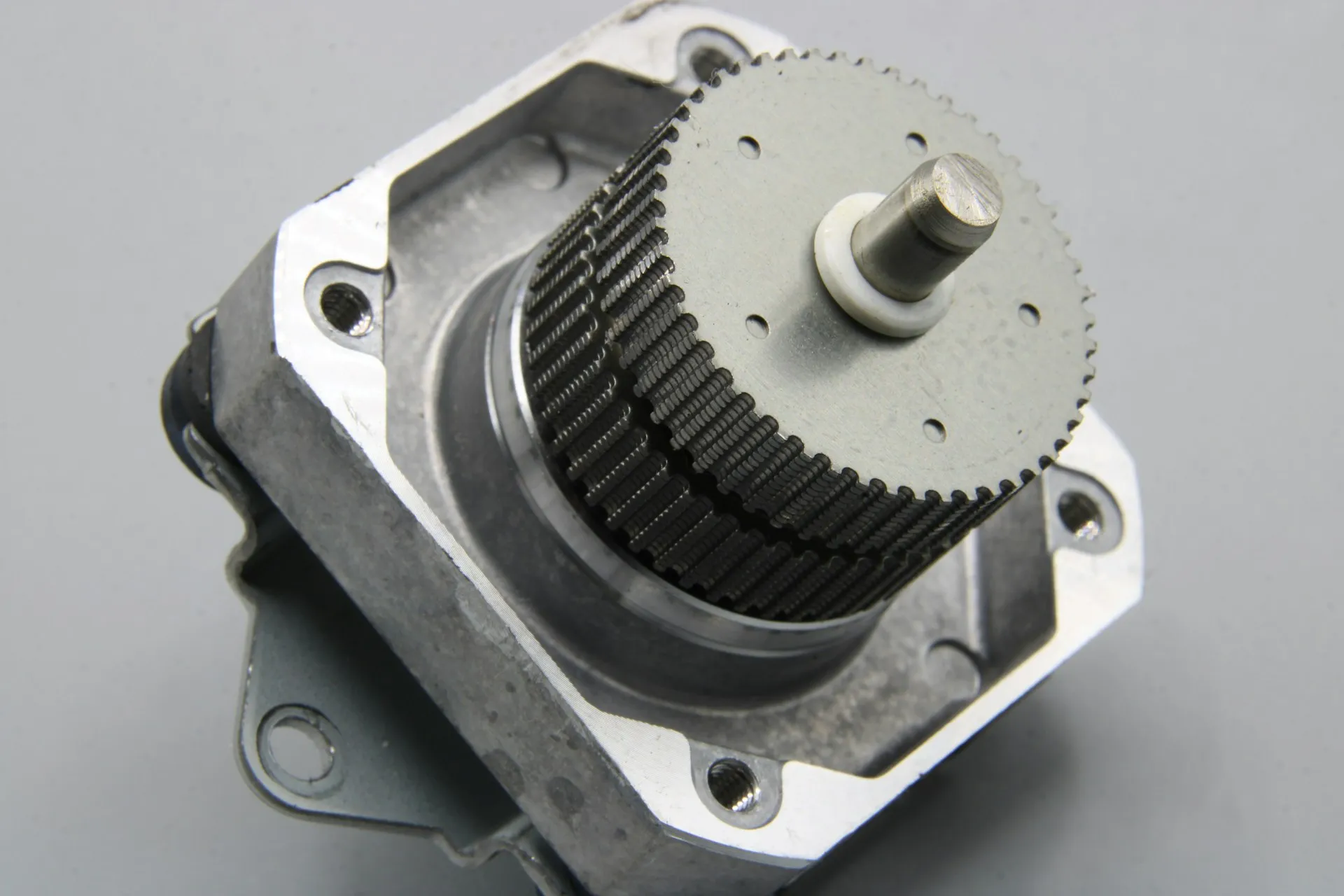
The motors usually change. Feedback types and connector standards moved between generations. An older motor may not have a feedback device the new drive supports, and adapting rather than replacing is frequently more expensive and always less supportable.
The cables change with them. Power and feedback cabling is matched to the drive and motor combination. Reusing existing cable runs is sometimes possible and needs to be verified rather than assumed, particularly on feedback where cable capacitance and shielding matter. Current Kinetix ranges also offer single-cable connections that carry power and feedback together to compatible motors (KNX-SG001), which changes the cable schedule again.
The motion logic changes. Older architectures commanded motion over analog signals or a dedicated motion network with a separate configuration tool. Current Kinetix uses Integrated Motion on EtherNet/IP, where axes are configured inside the Logix project and commanded through motion instructions against axis tags. That is a different programming model, not a port.
The tuning is redone from scratch. Gains do not transfer between platforms. On a coordinated machine this is not a single tuning exercise but one per axis plus the interaction between them.
The panel often changes. Footprints, cooling requirements and DC bus sharing arrangements differ. A shared-bus Kinetix 5700 layout looks nothing like a row of 1394 drives.
The network becomes part of the motion system. Integrated Motion is Rockwell’s implementation of ODVA’s CIP Motion, and the axes stay in step through CIP Sync time synchronisation, based on IEEE 1588. The configuration manual requires time synchronisation on every controller and communication module in the motion path. A switch that was adequate for I/O may not be adequate for motion, which is why the Stratix and segmentation decisions belong in the motion scope.
Typical source and target platforms
| Installed today | Status to expect | Usual direction |
|---|---|---|
| 1394, Ultra | Discontinued; analog and SERCOS era | Full motion migration to current Kinetix, motors and cables included |
| Kinetix 6000 / 6200 / 6500 | Previous generation, widely installed and supported | Plan the migration; timing set by spares and skills, not function |
| Kinetix 300 / 350 | Legacy standalone | Current entry-level Kinetix where the axis stays simple |
| Kinetix 5500 / 5700 | Current mainstream | Keep, maintain, and capture configuration |
Status changes per catalogue number, so confirm each drive, power rail and motor in the Product Compatibility and Download Center before planning. Size the new axes against the real move profile and load inertia with Motion Analyzer, the sizing tool described in the selection guide, rather than matching old ratings.
Where the schedule actually goes
| Phase | Reality |
|---|---|
| Hardware selection and procurement | Straightforward, long lead times |
| Panel design and build | Predictable |
| Mechanical install and wiring | Predictable |
| Motion configuration and commissioning | Variable, and it dominates |
| Tuning and validation at production rate | Not compressible |
The two bolded rows are where projects overrun, and they are the two that get estimated optimistically because they look like the end of the project rather than the middle.
Sequencing a multi-axis Kinetix migration
On a machine with many axes, the instinct is to migrate everything in one shutdown. That maximises risk and destroys the opportunity to learn.
Prove the approach on one axis or one machine section first. Capture what configuration, tuning and validation actually take, on this machine, with this team. Then sequence the rest against real numbers.
The counter-argument is that a partial migration means running a hybrid machine, sometimes with two motion architectures in parallel, which is genuinely awkward. Weigh that against the alternative: discovering on the third day of a two-week shutdown that tuning takes four times the estimate, with no fallback. On large multi-axis programmes we have consistently found the phased approach cheaper overall, even when it looks slower on the plan.
A worked example (illustrative)
An illustrative scenario, not a description of any one plant.
A twelve-axis cartoner runs on 1394 drives. Spares are getting hard to find and the quote on the table says “replace the drives”. Walking the checks below changes the scope: nine motors have feedback devices the new drives do not support, so they change; the feedback cables run through a drag chain and will be replaced with the motors; two axes are electronically geared to the main shaft through a cam table that has to be rebuilt in Integrated Motion; and the panel needs a new layout for a shared DC bus. The plan becomes: migrate the infeed section’s three axes during a long weekend, run the hybrid machine for a month while the team learns the platform, re-estimate the remaining nine from what tuning actually took, then complete the rest in one planned shutdown.
What to check before committing a number
- Feedback type on every existing motor, individually. Assume nothing from the machine documentation
- Whether any axis is mechanically coupled to another, because that changes both the tuning and the ability to phase the work
- Cam and gearing relationships in the existing logic, which are the parts that translate least directly
- What the machine’s actual cycle requires, as opposed to what it was originally specified for. Machines drift, and migrating to reproduce a twenty-year-old spec sometimes reproduces a constraint nobody needs
- Whether the network can carry motion, with managed switches and time synchronisation in place
- Spares strategy for the new platform, decided at the start rather than after commissioning
- Who tunes it, and whether they will still be reachable in six months when something shifts
A note on velocity behaviour
Worth knowing before it costs a day: on some motion function blocks, commanded velocity latches on the rising edge of the execute bit. Writing a new velocity while the block is running changes nothing, which reads as the drive ignoring the command. This is behaviour, not a fault. The general answers are to command through a block that accepts live updates, or to leave commanded velocity alone and dynamically change the gear ratio to a virtual axis instead. The second approach is often the cleaner one on Rockwell platforms.
What we do
We scope motion migrations with the motors, cabling, tuning and validation included, because those are where the money is. We recommend phasing on multi-axis machines and we say plainly when a machine’s existing motion architecture is fine and the budget belongs elsewhere. Where we lead delivery, the acceptance criterion is the machine holding rate and tolerance in production, not the axes moving. Larger programmes sit inside our control system modernization work.
If you have a 1394, Ultra or early Kinetix machine and a number attached to replacing it, send us the situation and we will tell you whether the number is real.
Related: PowerFlex Fault Codes and Selection · Drives and Motion · Rockwell Automation hub
Frequently asked questions
What does a Kinetix migration include?
More than the drives. Moving a 1394, Ultra or early Kinetix machine to current Kinetix usually changes the motors, because feedback types and connectors changed, and the power and feedback cables with them. The motion logic moves to Integrated Motion on EtherNet/IP, every axis is tuned again, and the panel often changes for footprint, cooling and DC bus sharing. Validation at production rate closes the project.
Can I keep my existing servo motors when migrating to Kinetix?
Sometimes, and it must be checked motor by motor. The question is whether the new drive supports the motor's feedback device and whether the connectors and cables can be matched. Adapting an old motor is often more expensive than replacing it and is always harder to support. Record the feedback type on every motor before a number is committed, rather than trusting the machine documentation.
How long does a Kinetix servo migration take?
It depends far more on configuration, tuning and validation than on hardware. Panel build and wiring are predictable; commissioning and tuning at production rate are variable and cannot be compressed. That is why we recommend migrating one axis or machine section first, measuring what tuning and validation actually take, and planning the remaining sections against those actual numbers.
What changes in the PLC code during a Kinetix migration?
The programming model. Older systems commanded motion through analog signals or a SERCOS interface with a separate configuration tool. Current Kinetix axes are configured inside the Logix project and commanded with motion instructions against axis tags on EtherNet/IP. Cams, gearing and homing are the parts that translate least directly, so they deserve the most review and testing time.
Is the Kinetix 6000 still supported?
Lifecycle status is set per catalogue number and changes over time, so check each drive, power rail and motor in Rockwell's Product Compatibility and Download Center or lifecycle status search rather than relying on the family name. A previous-generation system that is still supported may not need migrating yet; spares availability and support skills usually decide the timing.
References and further reading
- Kinetix Motion Control Selection Guide (KNX-SG001) · Rockwell AutomationCurrent drives and motors, single-cable motor connections, and the Motion Analyzer sizing tool.
- Integrated Motion on the EtherNet/IP Network: Configuration and Startup User Manual (MOTION-UM003) · Rockwell AutomationAxis configuration in Logix, time synchronisation requirements and commissioning.
- Integrated Motion on the EtherNet/IP Network Reference Manual (MOTION-RM003) · Rockwell Automation
- CIP Motion · ODVAThe open specification behind Integrated Motion and its use of CIP Sync.
- Product Compatibility and Download Center · Rockwell AutomationLifecycle status and compatibility for each drive and motor catalogue number.