
octoplant Alternatives: The Automation Change Management Market, Compared
octoplant vs FactoryTalk AssetCentre: Multi-Vendor or Rockwell-Centric
octoplant vs FactoryTalk AssetCentre: multi-vendor change management against Rockwell's own tool, with Verve, Claroty enrichment and where each fits.
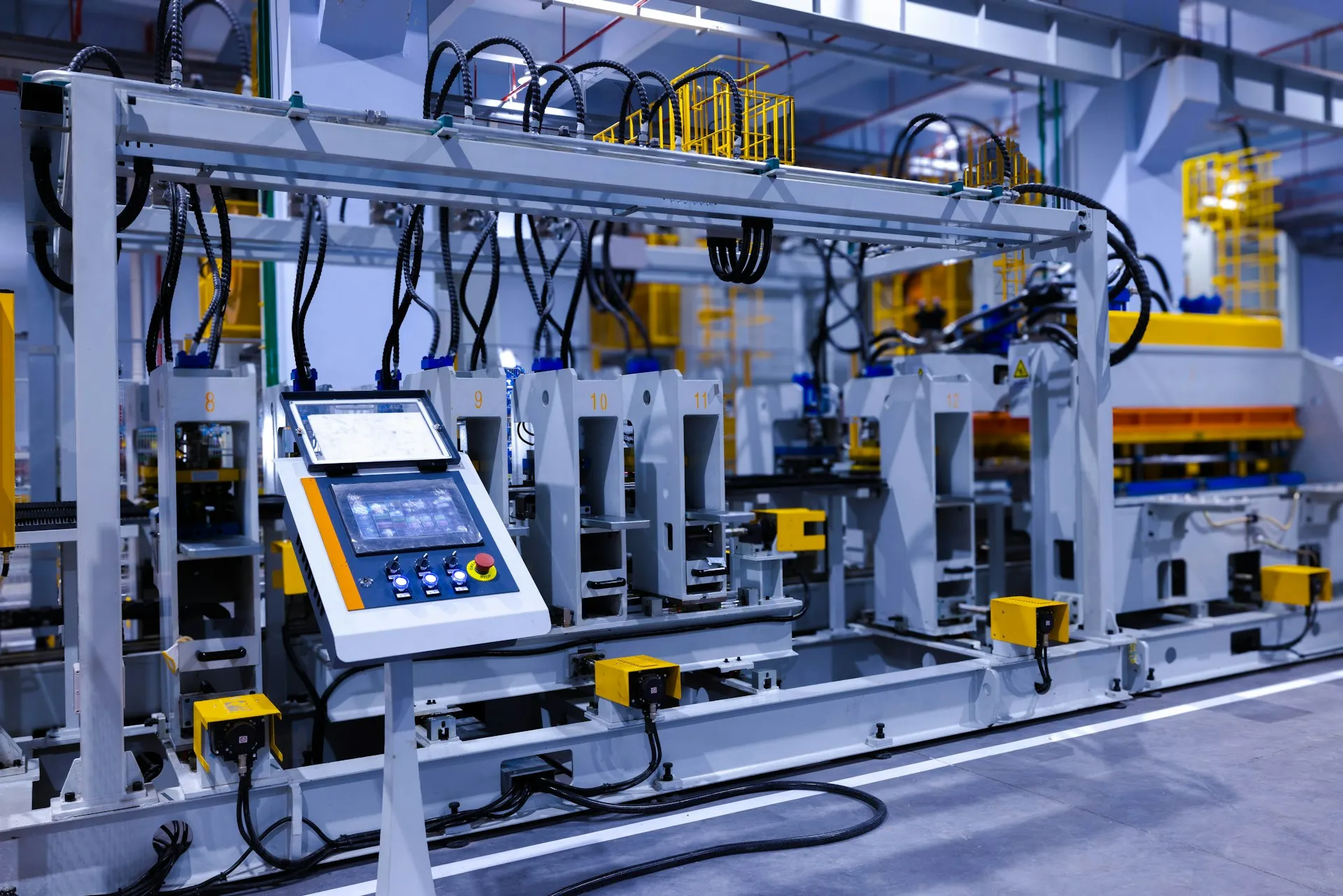
The octoplant vs FactoryTalk AssetCentre decision usually comes down to one number: the share of the plant that is Rockwell. AssetCentre is Rockwell Automation’s own archive, version control and disaster recovery product, and in a plant built on ControlLogix, PowerFlex and PanelView it sits close to home. octoplant is AMDT’s multi-vendor platform, built for estates where the robots, drives, CNC machines and HMIs come from many suppliers. This page compares them on public facts, as of October 2026, and says where each fits. It does not declare a winner, because the answer depends on the plant.
For what AssetCentre does in detail, and the backup gap it closes, see our page on FactoryTalk AssetCentre and controller version control. For the wider market, start on octoplant Alternatives.
octoplant vs FactoryTalk AssetCentre: what each is built to do
FactoryTalk AssetCentre automates the backup discipline in a Rockwell plant. It connects to controllers, drives and HMI terminals on a schedule, versions what it finds, compares the device against the stored baseline, records who changed what, and keeps a copy ready for disaster recovery. It is on-premises and Rockwell-centric, but no longer Rockwell-only: Rockwell’s version history lists built-in disaster recovery for Siemens S7-1200 and S7-1500, Mitsubishi and Schneider M340 and M580 controllers, Siemens TIA Portal V19 projects, FTP and SFTP devices, and FactoryTalk Optix runtimes. Version 13 added a browser client and an Asset Lifecycle dashboard; version 16 added a Logix security compliance dashboard and lifecycle data for air-gapped networks. It lives inside the FactoryTalk family, so it shares that stack’s directory and Windows dependencies (see our Rockwell Automation overview).
octoplant does the same core job across vendors. AMDT describes it as a platform that “automatically backs up, versions, and recovers the configurations of industrial devices… across all major automation vendors” (amdt.com). Its model is an approved version per device: an engineer checks it out, edits in the native engineering tool and checks it back in, while scheduled jobs upload from the device and compare against the approved version. AMDT states support for 180+ device types and 160+ vendors (amdt.com), and its examples run well beyond PLCs to robots, CNC, drives, SCADA, network devices and PC images. The mechanics are on Version Control and Change Management.
octoplant vs FactoryTalk AssetCentre, side by side
| Dimension | octoplant | FactoryTalk AssetCentre |
|---|---|---|
| Vendor scope | Multi-vendor by design | Rockwell-centric; built-in recovery for some Siemens, Mitsubishi and Schneider controllers |
| Coverage claims | AMDT states 180+ device types, 160+ vendors; matrix gated behind myAMDT | Rockwell controllers, drives and HMI terminals; third-party list to confirm with Rockwell |
| Deployment | Mainly on-premises; server, clients, agents; first web UI in release 105 | On-premises, on Windows Server within FactoryTalk; browser client since version 13 |
| Lifecycle data | Asset Lifecycle Management (release 107); obsolescence in octovision | Asset Lifecycle dashboard (version 13), including air-gapped networks (version 16) |
| Change model | Approved version, check-out and check-in, scheduled device compare | Scheduled backup, version history, compare against baseline |
| Recovery | Disaster Recovery, pattern-based or per device | Disaster recovery from archived versions |
| Security data | octovision: inventory and CVE matching from device data | Claroty enrichment; Verve (now sold as SecureOT) for inventory, vulnerabilities and patching; Logix security compliance dashboard (version 16) |
| AI | Companion chat (release 107); AI vulnerability guidance | None found in AssetCentre; Design Studio ships a copilot |
| Owner | AMDT, independent of any automation OEM | Rockwell Automation (NYSE: ROK) |
| Licensing | Per device, one license per campus; prices not published | Perpetual or subscription through Rockwell and distributors; prices not published |
The two rows that decide most evaluations are vendor scope and security data. The rest are closer than the marketing on either side suggests.
The Verve and Claroty factor
Rockwell no longer sells AssetCentre alone. In October 2023 it bought Verve, whose agent-based software covers OT inventory, vulnerabilities, patching, configuration and backup. Claroty, which Rockwell resells, states that its integration lets Rockwell customers enrich AssetCentre’s “data management, centralized inventory, backup, and recovery coverage” with its vulnerability, risk and threat intelligence (Claroty).
For a Rockwell plant, that means one commercial relationship can deliver backup and versioning, endpoint management and network-derived security data. That is a real advantage: one support path, one distributor and one set of training.
AMDT answers the same need differently. octovision builds its inventory and CVE matching from the project and configuration data octoplant already holds, “without network scanning or agents”. We found no public octoplant integration with Claroty or any other network security platform as of October 2026. octovision does import CSV exports from discovery tools since its Summer 2026 release. See OT Security Platforms for what that means in practice.
A worked example (illustrative). Picture a packaging plant with forty CompactLogix controllers, twelve FANUC robots, a palletiser from an OEM running an S7-1500 controller and a dozen PowerFlex drives. AssetCentre covers the Rockwell majority well, and its built-in Siemens support may cover the palletiser’s controller. The twelve robots are the open question: they are the assets most likely to be missing a current backup, and the ones a maintenance team can least easily rebuild. The evaluation should be decided on those devices, not on the forty that both tools handle.
Rockwell’s direction matters too. FactoryTalk Design Studio ships Git and a copilot, and the LogixEdge software-defined controller is due in Q4 2026. AssetCentre’s own roadmap is not public. A plant buying today should ask Rockwell how AssetCentre, Design Studio’s Git and Verve will relate over the next five years.
When a Rockwell-only plant might stay with AssetCentre
There are honest reasons to keep it, or to choose it:
- Nine devices in ten are Rockwell, and the rest are few and well documented
- AssetCentre already runs, with working schedules and a restore that has been tested
- The team knows FactoryTalk and has no appetite for a second administration model
- Verve or Claroty is already deployed through Rockwell, and the plant wants one vendor answer
- A distributor relationship provides support the plant trusts
In that plant, a switch costs re-onboarding every device and retraining every engineer for little added coverage.
When octoplant tends to fit better
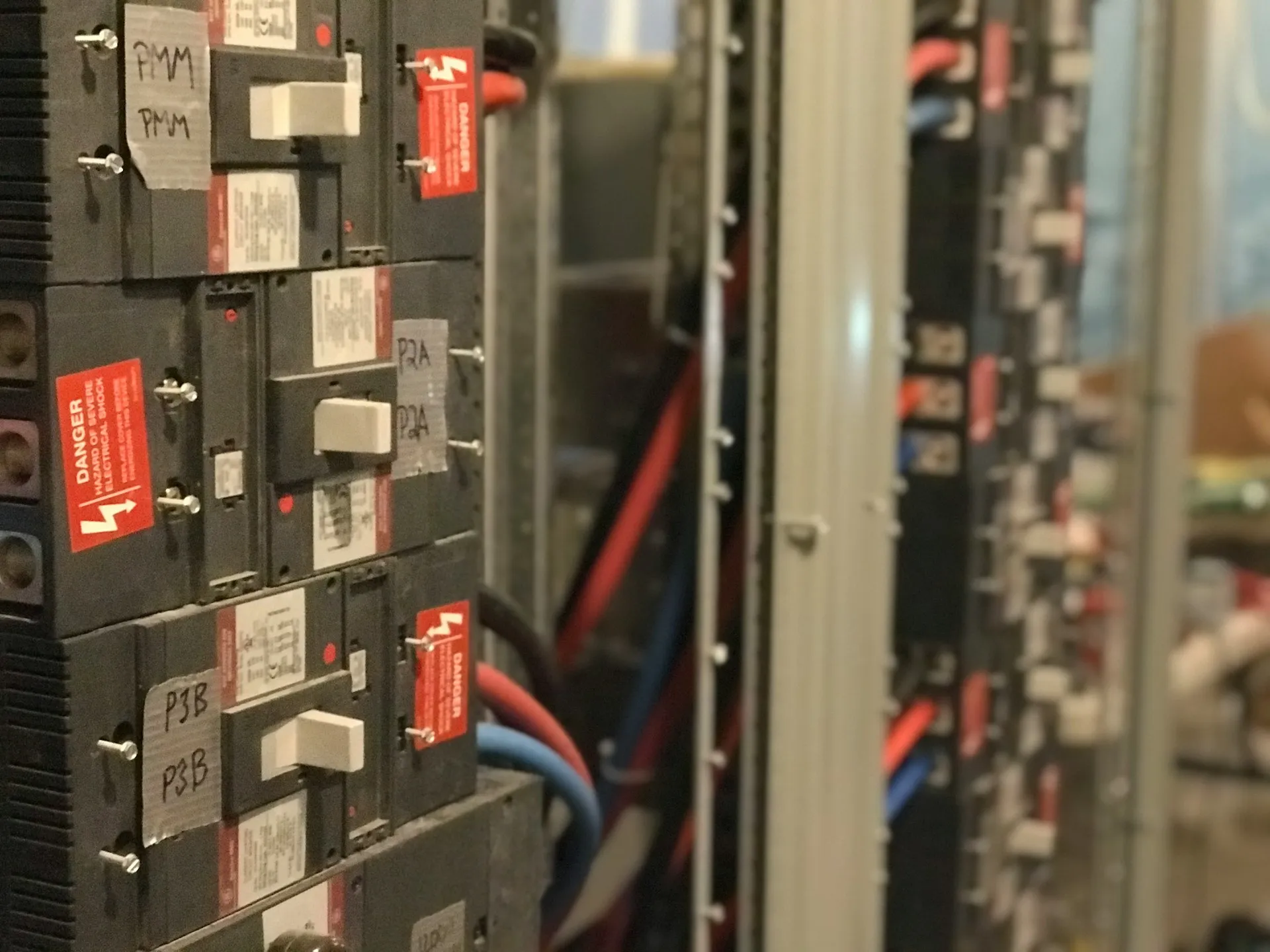
- Robots, CNC and drives from other vendors carry real risk. A FANUC or KUKA robot program is as hard to recover as a Logix routine; see Robots, CNC and Drives
- Several sites run different OEM standards, for example Siemens in Europe and Rockwell in North America
- The plant runs versiondog or AutoSave today, where octoplant is the named successor
- Independence from the automation OEM is a governance preference
Where it gets hard
Running both. Many plants end up with AssetCentre on Logix controllers and a multi-vendor tool elsewhere. That can work, but two tools polling the same controllers means two schedules, two credential sets and two audit trails that can disagree. Scope them so each device has exactly one owner tool.
Moving history. Years of version history are evidence for audits and investigations. Ask either vendor, in writing, what history migrates from the other tool and in what form, before signing.
Engineering software versions. Both tools depend on a working toolchain around them. A perfect backup of an old Studio 5000 project is little use if nobody can open it. Ask how each handles versions you no longer have installed.
Comparing licences like for like. octoplant is licensed per device, “one license per campus”, with unlimited jobs and documents that do not count as devices (octoplant.com). AssetCentre is licensed through Rockwell and its distributors on its own terms. Neither publishes prices, so put the same device count, the same sites and the same support level in front of both, and add the internal hours each tool needs to administer. The detail is on Editions and Licensing.
Coverage claims on paper. Neither vendor publishes a full public matrix you can test against. A proof of concept on your three hardest non-Rockwell devices is worth more than any brochure.
A structured, vendor-neutral selection like this is what an owner’s engineer does. For the Git-native alternative, compare octoplant vs Copia. Back to the AMDT hub.
Frequently asked questions
Is octoplant better than FactoryTalk AssetCentre?
Neither is better in general. AssetCentre is Rockwell's own tool and fits a plant that is almost entirely Rockwell and already runs it. octoplant is built for mixed estates, with AMDT stating support for 180+ device types across 160+ vendors. The share of non-Rockwell robots, drives, CNC and HMIs on site usually settles the question.
Does FactoryTalk AssetCentre support non-Rockwell devices?
Yes, within limits. Rockwell's version history lists built-in disaster recovery for Siemens S7-1200 and S7-1500, Mitsubishi and Schneider M340 and M580 controllers, Siemens TIA Portal V19 projects, and FTP-based devices. Robots, CNC and most third-party drives are not named. Confirm each non-Rockwell device with Rockwell or your distributor and test the ones that matter most.
What is the difference between AssetCentre and Verve?
AssetCentre is Rockwell's on-premises archive, version control, audit and disaster recovery product. Verve, which Rockwell acquired in October 2023, is agent-based OT asset management: inventory, vulnerabilities, patching, configuration and backup. Rockwell now sells the Verve platform under its SecureOT name. They answer overlapping but different questions.
Can a plant run octoplant and AssetCentre together?
It can, but it should be deliberate. Two tools uploading from the same controllers means two schedules, two sets of credentials and two audit trails that can disagree. If both stay, give each a defined scope, for example AssetCentre for Logix controllers and octoplant for everything else, and name one system of record for audits.
Should we migrate from AutoSave to AssetCentre or octoplant?
It depends on the estate. AutoSave users have a direct successor in octoplant, with AMDT's migration services and the Project Integrator Tool. A plant that is almost all Rockwell can reasonably evaluate AssetCentre at the same time. Either way, every device, job and stored history needs a migration plan before the AutoSave support phases end.
References and further reading
- FactoryTalk AssetCentre · Rockwell AutomationProduct page with the version 13, 15 and 16 feature history, including third-party disaster recovery and the web client.
- Industrial OT Cybersecurity: Rockwell Automation SecureOT · Rockwell AutomationSecureOT, the platform formerly known as the Verve Security Center.
- FactoryTalk Design Studio PLC Programming Software · Rockwell Automation
- Partners · ClarotyDescribes the Claroty integration that enriches AssetCentre with vulnerability and threat data.
- About Octoplant · AMDT
- Pricing · AMDT (octoplant.com)
- Octovision Summer Release · AMDT (octoplant.com)CSV import from discovery tools and the managed versus unmanaged coverage metric.