
octoplant Use Cases by Industry: Automotive, Pharma, Food and Utilities
octoplant Utilities and Water Guide: Distributed Sites, RTUs and Critical Infrastructure Rules
octoplant utilities use: backing up PLCs and RTUs across remote water and energy sites, KRITIS, NIS2 and NERC CIP evidence, and where it gets hard.
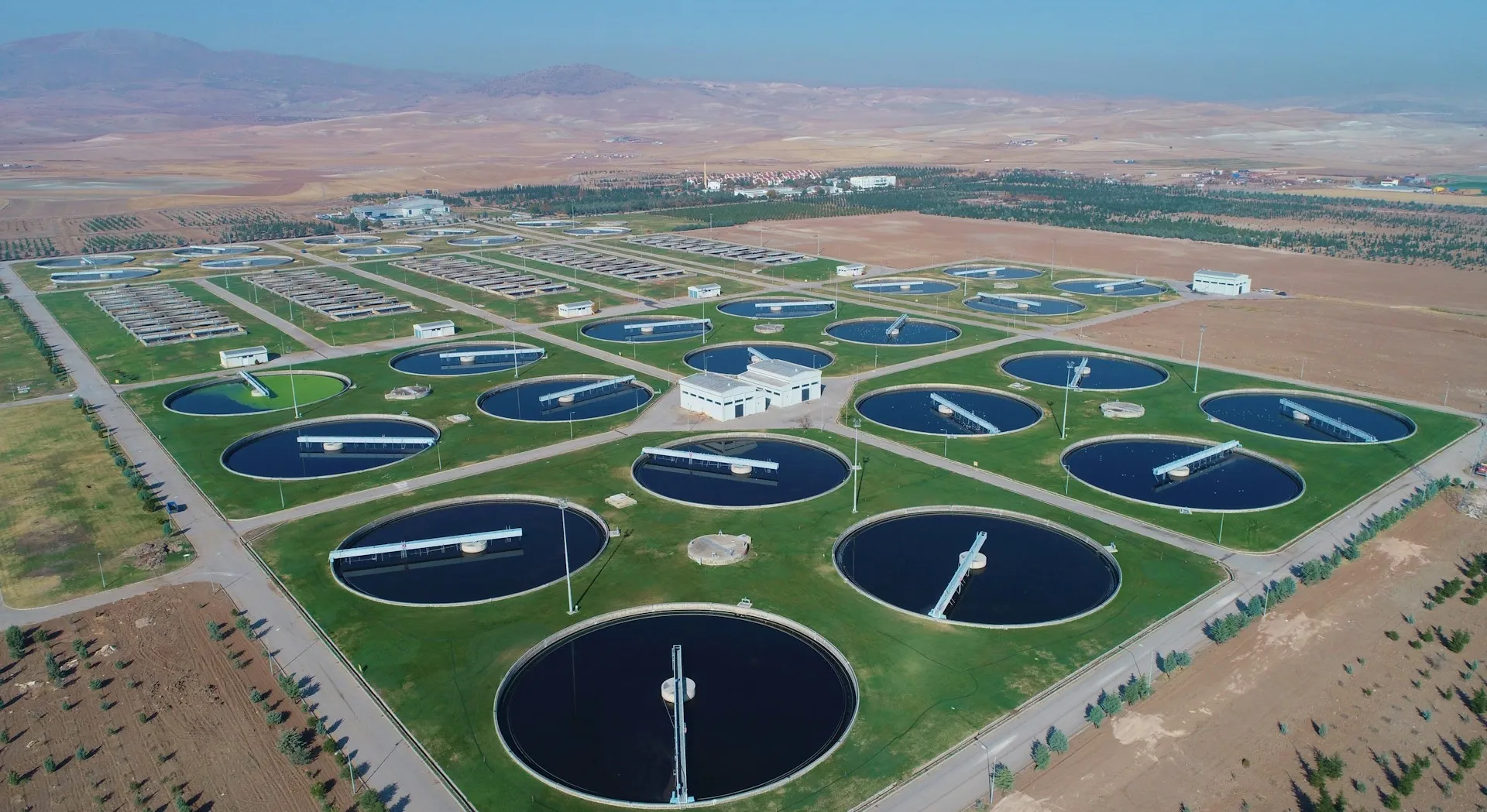
octoplant utilities use starts from geography. A water, wastewater or energy utility does not run one plant with five hundred devices; it runs dozens or hundreds of small, unstaffed sites, each with a few PLCs or RTUs, linked to a control centre over telemetry or a wide-area network. Equipment stays in service for decades, teams are small, and regulators treat the whole estate as critical infrastructure. This page explains why that changes the value case for automation change management, how the regulatory frameworks shape it, what AMDT’s public cases show, and where it gets hard. It sits under octoplant use cases by industry in our independent AMDT overview.
What makes utilities different
Distributed, unstaffed sites. Pumping stations, lift stations, reservoirs, treatment works, substations and gas metering points are spread across a region. AMDT’s wastewater page describes operators managing “geographically distributed systems” with constrained budgets and small teams (AMDT). Every site visit is a drive.
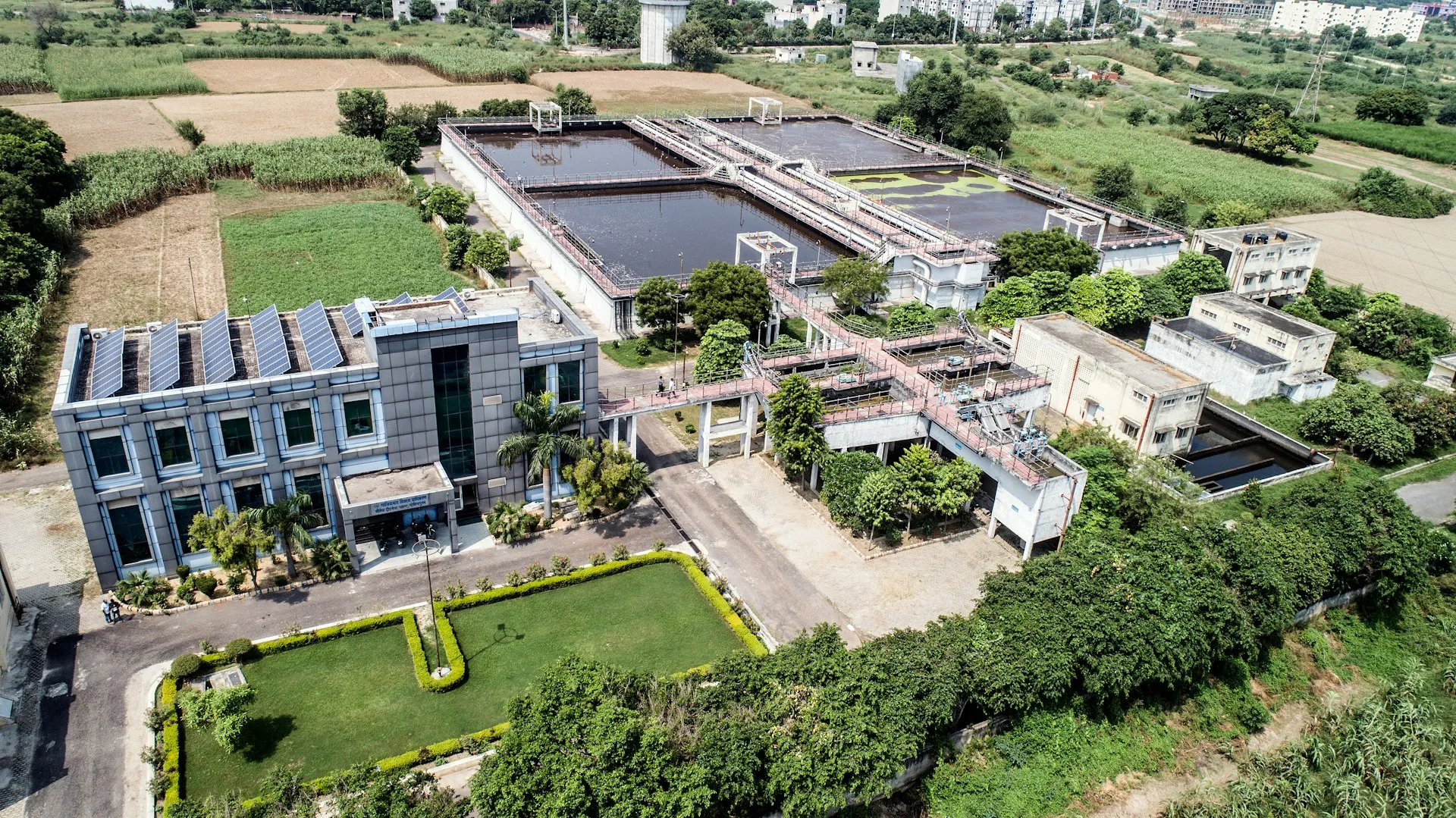
Several generations at once. AMDT’s energy and utilities page notes that “multiple generations of PLCs, RTUs, HMIs, SCADA, DCS, drives, and engineering systems often coexist” (AMDT). A station commissioned in 1998 and one commissioned last year may share a SCADA system and nothing else.
RTUs alongside PLCs. Remote terminal units and flow computers handle telemetry and measurement at many sites, often from different vendors than the PLCs, and with configuration tools that only one or two people know how to use. RTUs and remote controllers are where support varies most, so confirm support for your models with AMDT against its current matrix, and decide in advance which devices will fall back to a generic file backup with less compare detail.
A real attack history. AMDT’s wastewater page cites the 2023 to 2024 campaign in which “Iranian-affiliated actors compromised at least 75 Unitronics devices, including at least 34 in U.S. water and wastewater facilities,” replacing logic and resetting software versions (AMDT). The joint CISA advisory describes the mechanism: the actors erased the original ladder logic, downloaded a file with no inputs or outputs, and set the software version to an older one, which stopped operators reaching the PLC from their engineering workstation. For a utility, the recovery question after such an event is the same as after a hardware failure: what was the approved program, and how fast can it go back?
Illustrative scenario. A lift station PLC faults during a storm and the pumps stop responding to level. The on-call technician drives forty minutes to the site. The program on the laptop is from the last upgrade, before an integrator changed the pump alternation logic. The technician loads it, the pumps run, and the alternation fault returns a week later. With a current central copy and a compare, the technician would have arrived with the right file and known what had changed.
How octoplant utilities deployments reach remote sites
How octoplant bridges separated networks at scale is covered on octoplant architecture. For utilities the practical questions are how much traffic each upload creates, how jobs behave when a link drops, and what firewall rules a central server needs to reach each site.
Back up more than the controller. At a remote site, recovery often depends on devices nobody thinks of as programmable: the HMI panel, the SCADA project at the control centre, the cellular router and the site firewall. Partner pages list network devices such as Hirschmann, SCALANCE and mGuard among octoplant’s examples (iOpen), and octoplant also handles generic files over FTP, SSH and network shares, as of October 2026. A station whose PLC program is restored but whose router configuration is lost is still offline to the control room.
Regulation: octoplant utilities evidence by framework
octoplant.com lists ISO 27001, KRITIS and NERC CIP on its utilities page (octoplant.com), and AMDT’s energy and utilities page adds NIS2 and IEC 62443. The table summarises where a change management tool supplies evidence. The detail sits on the compliance pages and is not repeated here.
| Framework | Who it applies to | What it asks of automation configuration | Where a tool helps | Detail |
|---|---|---|---|---|
| KRITIS | Operators of critical infrastructure in Germany, including water and energy | State-of-the-art security measures, with evidence for audits | Versioned backups, change records, restore capability | See the EGLV story below |
| NIS2 | Essential and important entities in the EU, including water and energy | Risk management, incident handling, business continuity | Backup and recovery evidence, change history | NIS2 and IEC 62443 |
| NERC CIP | Bulk electric system entities in North America | Configuration baselines and change monitoring (CIP-010), among others | Baselines, compare, change records | NERC CIP |
| IEC 62443 | Asset owners, integrators and product suppliers worldwide | Configuration management and backup as security requirements | Version control and restore | NIS2 and IEC 62443 |
A tool is evidence, not compliance. In each case, the operator’s own processes, risk assessment and audit decide the outcome. In North American electric utilities, Industrial Defender is an established competitor focused on configuration baselines and NERC CIP compliance, and is worth comparing.
A practical starting sequence for a utility
Utilities rarely have the staff for a big-bang rollout. A staged sequence works better:
- Rank sites by consequence: treatment works and stations whose failure causes a spill, a supply interruption or a regulatory report come first.
- Inventory each site’s devices and links: model, firmware, engineering software and the bandwidth available to reach it.
- Confirm support for each device family with AMDT, and decide which will fall back to generic file backup.
- Capture an approved baseline at each site, ideally on a planned visit, so the first compare starts from a known state.
- Set job schedules per site class and test one restore per device type before declaring the site covered.
The public utilities case studies
EGLV is the most useful public utility reference. According to AMDT’s account, the German water association Emschergenossenschaft und Lippeverband runs a network of 59 wastewater treatment plants, 344 pumping stations and 411 wastewater and stormwater treatment facilities, linked by a remote control system and subject to Germany’s IT Security Act for critical infrastructure. It has brought more than 3,500 projects and about 5,000 components into the AMDT software, takes about 120 snapshots a day for interconnected plants, and has about 150 users across departments. Two details matter for other utilities: components with no direct interface are still managed through the compare function, and a supplier check-out and check-in records every change made by external contractors, on whom EGLV relies for larger projects. The story gives no recovery times.
Siemens Energy is a service story, not a utility one. AMDT’s One Data Foundation for Siemens Energy covers the Trondheim facility, which develops battery and marine propulsion systems. Technicians download the current project before a service visit and upload it afterwards, with locking and compare. It is relevant to utilities that rely on field service teams, but it is not an operator case. As of October 2026 we found no named North American utility story.
Where it gets hard
- Links and polling. Low-bandwidth or cellular links limit how often programs can be uploaded. Schedule jobs per site class rather than one schedule for the estate.
- Old devices under load. Some older controllers and RTUs respond slowly to uploads. Test the effect on communications before scheduling jobs during operating hours.
- Firewall and segmentation work. A central server reaching every site needs firewall rules that the security team will scrutinise, which is the right outcome. Our OT network assessment and guide to segmenting brownfield OT networks cover that design.
- RTU and telemetry coverage. Native support varies by family; generic file backup is a fallback with less compare detail.
- Integrator-maintained sites. Many small utilities rely on integrators for code changes. Require check-in of every change in the service contract.
- Inventory first. Many utilities do not hold a reliable list of what runs at each site. octovision asset inventory builds one from backup data, but only for devices already connected.
For a sector where validation rather than distance drives the case, compare octoplant in pharma and life sciences.
Related: octoplant use cases by industry · NERC CIP · Pharma and Life Sciences · AMDT hub
Frequently asked questions
Can octoplant back up RTUs at remote sites?
AMDT's utilities pages name RTUs among the device types in utility estates, and octoplant also handles generic files over FTP, SSH and network shares. Whether a specific RTU family is supported natively is a matrix question, and the matrix sits behind the myAMDT login. List your RTU and PLC models and firmware and confirm each one with AMDT before you plan.
Does octoplant help with KRITIS compliance?
octoplant.com lists KRITIS, NERC CIP and ISO 27001 on its utilities page. A tool can supply evidence: versioned backups, change records and compares. It cannot make an operator compliant; that depends on the operator's own processes, risk assessment and audits. Treat the tool as one source of evidence in a wider security programme.
Which water utilities use octoplant?
AMDT publishes a story on EGLV, the German water association Emschergenossenschaft und Lippeverband, titled IT Security for Critical Infrastructure at EGLV. It is the only named water case study we found as of October 2026. Ask AMDT or a partner for a reference utility of similar size and site count.
Is octoplant an alternative to Industrial Defender for NERC CIP?
They overlap. Industrial Defender focuses on OT asset management, configuration baselines, change detection and NERC CIP compliance in utilities. octoplant focuses on device program backup, versioning and restore across many automation vendors. An electric utility should compare them on CIP-010 baseline evidence and on restore, which are different jobs.
Why do remote utility sites need program backup?
Pumping stations, lift stations and remote energy sites are unstaffed, so every visit costs a drive and time. If a PLC or RTU fails and its current program is only on the device or a contractor's laptop, recovery waits on a person reaching the site with the right file. A central, current backup shortens that wait.
References and further reading
- IRGC-Affiliated Cyber Actors Exploit PLCs in Multiple Sectors, Including US Water and Wastewater Systems Facilities · CISA, FBI, NSA, EPA and partners (advisory AA23-335A)The primary source for the Unitronics campaign: erased ladder logic and reset software versions.
- CIP-010-4: Cyber Security, Configuration Change Management and Vulnerability Assessments · NERCThe baseline configuration and change monitoring requirements for BES Cyber Systems.
- ISA/IEC 62443 Series of Standards · ISA
- IT Security for Critical Infrastructure at EGLV. · AMDTThe one named water utility story, with estate size and backup frequency.
- Wastewater & Utilities · AMDT
- Energy & Utilities · AMDT
- Operational Resilience for Utilities · AMDT (octoplant.com)